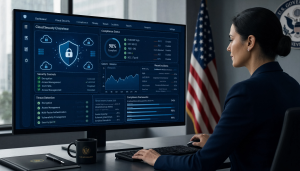

Understanding Insider Threats
Insider threats can manifest in various forms, including:
Malicious Intent: Employees or contractors with malicious motives may deliberately steal or leak sensitive data, sabotage systems, or engage in espionage on behalf of external entities.
Negligence: Unintentional actions by employees, such as falling victim to phishing scams, using weak passwords, or improperly handling sensitive data, can inadvertently compromise security.
Compromised Accounts: External attackers may exploit compromised credentials or insider assistance to gain unauthorized access to systems and carry out malicious activities.
The Role of Background Checks
One effective strategy for mitigating insider threats is conducting comprehensive background checks as part of the hiring process. Background checks allow organizations to verify the identity, credentials, employment history, and criminal background of potential employees. By uncovering red flags early on, organizations can make informed decisions about whether to grant individuals access to sensitive information and systems.
Identifying Potential Risks
Background checks can help identify individuals who may pose a risk of insider threats by:
Screening for Criminal History: Conducting criminal background checks can reveal any past incidents that may raise concerns about an individual’s trustworthiness or propensity for illegal behavior.
Verifying Employment History: Confirming the accuracy of an applicant’s employment history and references can provide insights into their past conduct and performance in previous roles.
Assessing Financial Stability: In certain industries, such as finance or government contracting, assessing an individual’s financial history can help evaluate their susceptibility to bribery, coercion, or other forms of financial pressure.
Checking for Security Clearances: For positions requiring access to classified information or sensitive systems, verifying security clearances is essential to ensure that individuals meet the necessary criteria for handling such information.
Implementing Ongoing Monitoring
While background checks are valuable during the hiring process, organizations must also implement ongoing monitoring mechanisms to detect and mitigate insider threats. This may include implementing access controls, monitoring user activity, conducting periodic security awareness training, and encouraging reporting of suspicious behavior.
In today’s cybersecurity landscape, organizations must remain vigilant against insider threats that can jeopardize their sensitive data, intellectual property, and reputation. By incorporating comprehensive background checks into their hiring processes and implementing robust security measures, organizations can better safeguard against potential risks posed by insiders. Remember, preventing insider threats requires a proactive and multi-layered approach that encompasses both technical controls and human factors.